


Hollow fiber spinneret revolutionize membrane-making by offering unmatched precision and efficiency. These specialized tools enable manufacturers to produce hollow-fiber membranes with consistent quality and performance. Their design ensures precise control over fiber dimensions, which is critical for applications requiring high accuracy.
The global hollow fiber membrane market, valued at USD 12.79 billion in 2023, is expected to grow significantly due to advancements in wastewater management and rising demand in industries like water treatment and pharmaceuticals. This growth reflects the increasing adoption of sustainable materials and innovative membrane designs, especially in regions like Asia-Pacific, where infrastructure investments are surging.
Key Takeaways
- Hollow fiber spinneret help make membranes with exact sizes. This improves their performance.
- Cleaning and checking spinnerets often stops clogs and keeps fibers even.
- Picking the right materials is key for strong and durable membranes.
- Changing flow speed and air gap size affects membrane quality a lot.
- Hollow fiber membrane is used in water cleaning and medicine. They work well and are eco-friendly.
Understanding Hollow Fiber Spinneret
What is Hollow Fiber Spinneret?
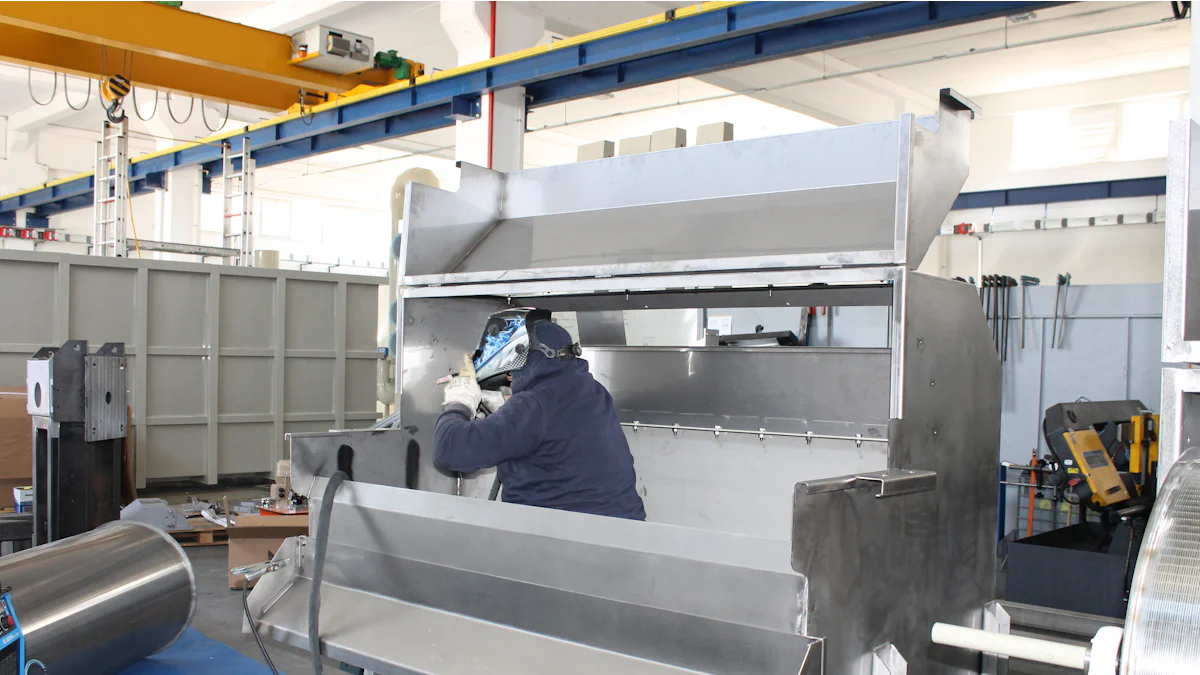
Hollow fiber spinnerets are specialized nozzles designed to produce hollow-fiber membranes. These tools extrude polymer solutions and bore fluids simultaneously, creating fibers with a hollow core. Their design governs the geometry and dimensions of the fibers, ensuring precision during the manufacturing process.
Manufacturers often use materials like stainless steel or polymers with low melting points to construct spinnerets. These materials provide durability and compatibility with various polymers. Common polymers used in membrane production include cellulose acetate (CA), polysulfone (PSF), polyethersulfone (PES), and polyvinylidene fluoride (PVDF).
| Spinneret Material | Applying Material | Applicable Materials |
|---|---|---|
| Stainless steel | PVDF | PVDF, CA, PVC, PES, PSF/PSU, PA, PAN |
How Do Hollow Fiber Spinnerets Work?
Hollow fiber spinneret operate by controlling the flow of polymer solutions and bore fluids through fine orifices. The spinneret’s design includes outer and inner orifices, which determine the fiber’s wall thickness and diameter. Wider inner bores allow higher throughput, while smaller annular gaps create thinner fiber walls.
The extrusion process often involves phase inversion, where the polymer solution solidifies into a microporous structure. This occurs when the extruded fiber enters a coagulation bath, initiating solvent exchange between the polymer solution and the non-solvent. The spinneret’s air gap length also plays a critical role, providing additional time for polymer chain rearrangement, which influences the fiber’s final properties.
Their Role in Producing Hollow-Fiber Polymer Membranes
Hollow fiber spinneret is essential for producing high-quality hollow-fiber polymer membranes. They ensure uniformity in fiber dimensions, which directly impacts membrane performance. Adjustable spinneret designs allow manufacturers to customize membrane properties, such as pore size and wall thickness, to meet specific application requirements.
These spinnerets address common challenges in membrane production, such as controlling polymer solution flow and ensuring uniform micro-pores. By governing the fiber’s geometry, they optimize the membrane’s structure and functionality. This precision makes hollow fiber spinnerets indispensable in industries like water filtration, gas separation, and pharmaceuticals.
Step-by-Step Guide to Using Hollow Fiber Spinneret
Preparing the Spinneret
Cleaning and inspecting the spinneret
Proper preparation of the spinneret ensures smooth operation during the dry/wet spinning process. Cleaning the spinneret removes any residual polymer or contaminants that could obstruct the flow of the dope solution. Manufacturers typically use ultrasonic cleaning or chemical solvents to achieve thorough cleaning. Afterward, they inspect the spinneret for any signs of wear, damage, or clogging. A well-maintained spinneret prevents uneven fiber formation and ensures consistent production of hollow-fiber membranes.
Setting up the spinneret in the spinning system
Once cleaned, the spinneret must be securely installed in the extruder. Proper alignment is crucial to maintain uniform flow rates of the dope solution and bore fluid. Technicians adjust the spinneret’s position to ensure it aligns with the spinning system’s extrusion parameters. This step minimizes disruptions during the spinning process and enhances the quality of the hollow-fiber membranes.
Preparing the Polymer Solution
Selecting the right polymer and solvent
The choice of polymer and solvent directly impacts the properties of the hollow-fiber membranes. Commonly used polymers include:
- Cellulose acetate
- Polysulfone
- Polyethersulfone
- Polyvinylidene fluoride
These polymers are selected based on the desired membrane characteristics, such as pore size, mechanical strength, and chemical resistance. Solvents must dissolve the polymer effectively while being compatible with the dry/wet spinning process.
Mixing and degassing the solution
After selecting the materials, the polymer and solvent are mixed to create a homogeneous dope solution. Mixing ensures uniform distribution of the polymer chains, which is essential for consistent fiber formation. Degassing the solution removes trapped air bubbles that could cause defects in the hollow-fiber membranes. Vacuum degassing or mechanical stirring is often used for this purpose.
Spinning the Hollow Fibers
Adjusting extrusion parameters
The extrusion parameters, such as flow rates, air gap length, and temperature, must be carefully adjusted before spinning begins. These parameters control the thickness, diameter, and wall structure of the hollow-fiber membranes. The extruder plays a key role in maintaining steady flow rates of the dope solution and bore fluid.
Monitoring fiber formation and phase inversion
During the spinning process, technicians monitor the fiber formation closely. The fibers undergo phase inversion as they pass through the coagulation bath, where the polymer solidifies into a porous structure. Quenching in the bath stabilizes the fibers and prevents deformation. Consistent monitoring ensures the fibers meet the desired specifications for their intended applications.
Post-Spinning Processes
Coagulation and washing
The coagulation process solidifies the hollow-fiber membranes after extrusion. As the fibers exit the extruder, they enter a coagulation bath filled with a non-solvent, such as water or alcohol. This bath initiates phase inversion, where the polymer in the dope solution transitions from liquid to solid. Quenching in the bath stabilizes the fiber structure and prevents deformation. The bath’s temperature and composition must remain consistent to ensure uniformity across all fibers.
After coagulation, washing removes residual solvents and impurities from the hollow-fiber membranes. These contaminants, if left untreated, can compromise the membrane’s performance. Manufacturers typically use a continuous flow of clean water to flush the fibers thoroughly. This step ensures the fibers are free from any chemical residues that could affect their functionality in applications like water filtration or gas separation.
Drying and storing the fibers
Drying prepares the hollow-fiber membranes for storage or further processing. Excess moisture must be removed to prevent microbial growth or structural degradation. Manufacturers often use controlled environments, such as drying chambers, to maintain optimal temperature and humidity levels. This approach ensures the fibers retain their mechanical strength and pore structure.
Once dried, the fibers are stored in conditions that protect them from environmental factors like dust, moisture, and UV light. Proper storage extends the lifespan of the membranes and preserves their performance. Packaging materials, such as vacuum-sealed bags or airtight containers, are commonly used to shield the fibers from external contaminants. These steps ensure the hollow-fiber membranes remain ready for use in critical applications, including the dry/wet spinning process for advanced membrane production.
Practical Tips and Troubleshooting
Tips for Optimal Use of Hollow Fiber Spinneret
Maintaining cleanliness and consistent flow rates
Regular cleaning of the hollow fiber spinneret ensures smooth operation and prevents blockages. Residual polymer or contaminants in the spinneret can disrupt the flow of the dope solution, leading to uneven fiber formation. Ultrasonic cleaning or chemical solvents effectively remove these residues. Consistent flow rates of the dope solution and bore fluid are equally important. Technicians should monitor these rates closely to maintain uniformity in hollow-fiber membranes.
Using high-quality materials and proper setup
High-quality materials improve the durability and performance of hollow-fiber membranes. Selecting polymers and solvents that match the desired membrane properties ensures optimal results. Proper setup of the spinneret in the spinning system is also critical. Misalignment can cause irregularities in fiber dimensions. Technicians should verify the spinneret’s position and ensure all components are securely installed before starting the spinning process.
Common Mistakes to Avoid
Neglecting spinneret maintenance
Failure to maintain the hollow fiber spinneret can lead to clogging and inconsistent fiber production. Regular inspections help identify wear or damage early. Replacing worn-out spinnerets prevents defects in hollow-fiber membranes. Maintenance schedules should include cleaning, inspection, and timely replacement of parts.
Incorrect polymer solution preparation
Improper preparation of the dope solution often results in defective fibers. Inadequate mixing can cause uneven polymer distribution, while insufficient degassing leaves air bubbles in the solution. These issues compromise the structural integrity of hollow-fiber membranes. Following precise mixing and degassing procedures ensures a homogeneous solution, reducing the risk of defects.
Troubleshooting Common Issues
Addressing uneven fiber formation
Uneven fiber formation typically arises from inconsistent flow rates or improper extrusion parameters. Adjusting the flow rates of the dope solution and bore fluid can resolve this issue. Technicians should also check the air gap length and coagulation bath conditions. These adjustments help stabilize fiber formation and improve membrane quality.
Resolving clogging or blockages
Clogging in the hollow fiber spinneret disrupts the spinning process. Cleaning the spinneret with appropriate solvents removes blockages. If clogging persists, technicians should inspect the spinneret for damage or wear. Replacing damaged components restores proper flow and ensures the production of high-quality hollow-fiber membranes.
Benefits and Applications of Hollow Fiber Spinneret

Key Benefits of Hollow Fiber Spinneret
Precision and control in fiber production
Hollow fiber spinneret provide unmatched precision in producing hollow-fiber membranes. Their design allow spinneret manufacturers to control fiber dimensions, including wall thickness and diameter, with high accuracy. This precision ensures consistent membrane performance across various applications. Adjustable spinneret configurations also enable customization of membrane properties, such as pore size, to meet specific industrial needs.
Efficiency and scalability in membrane-making
Hollow fiber spinneret streamline the membrane-making process by enabling efficient extrusion of the dope solution and bore fluid. Their ability to produce fibers at scale makes them ideal for industries requiring large volumes of hollow-fiber polymer membranes. Additionally, the spinnerets reduce material waste and energy consumption, contributing to cost-effective and sustainable production practices.
Applications of Hollow-Fiber Polymer Membranes
Water filtration and purification
Hollow-fiber membranes play a vital role in water treatment systems. They are used in microfiltration, ultrafiltration, and reverse osmosis processes to remove contaminants from drinking water. These membranes also purify process water in the food and beverage industry, ensuring safety by eliminating bacteria and foreign particles without chemical disinfectants. In wastewater treatment plants and desalination facilities, hollow-fiber membranes enhance water quality while supporting sustainability efforts.
- They filter water used in drug formulation, removing bacteria, viruses, and particulate matter.
- They enable water reuse in closed-loop systems, reducing reliance on freshwater sources.
- They lower energy consumption compared to other filtration technologies.
Medical and pharmaceutical uses
Hollow-fiber polymer membranes are indispensable in the medical field. In kidney dialysis, they act as dialyzers, allowing waste to diffuse from blood into a dialysate bath. These membranes also filter water used in drug formulation, ensuring it meets rigorous quality standards.
| Application Area | Description |
|---|---|
| Drug Formulation | Used for bio-pharmaceutical separation and purification operations. |
| Purification Processes | Enable efficient purification of monoclonal antibodies through chromatography. |
| Dialysis Treatments | Facilitate waste removal from blood in hemodialysis procedures. |
Gas separation and industrial applications
Hollow-fiber polymer membranes are widely used in gas separation processes. Their selective permeability allows them to enrich oxygen, remove carbon dioxide, and recover hydrogen from gas mixtures. These applications are critical in industries like petrochemicals and natural gas processing. The membranes’ efficiency and reliability make them a preferred choice for industrial gas purification.
Hollow fiber spinnerets play a pivotal role in simplifying membrane-making by precisely controlling the flow of polymer solutions through fine orifices. This precision ensures uniform thickness and structure, which is critical for the functionality of hollow-fiber membranes across diverse applications. Advanced spinneret designs further enhance efficiency by enabling the simultaneous creation of composite membranes, reducing production time and costs.
Following a step-by-step process when using spinnerets ensures tailored structural characteristics, enhanced separation performance, and mechanical robustness. These benefits result from careful modulation of parameters and controlled conditions at each stage. Industries leveraging hollow-fiber membranes gain long-term advantages, including compact design, high filtration efficiency, and sustainability, making them indispensable for water treatment, medical, and industrial applications.
FAQ
What are the main advantages of using hollow fiber spinneret?
Hollow fiber spinneret offer precision and efficiency in membrane production. They allow manufacturers to control fiber dimensions, ensuring consistent quality. Their design supports scalability, making them ideal for industries requiring large volumes of membranes. These advantages improve performance and reduce production costs.
How do hollow fiber spinneret contribute to sustainability?
Hollow fiber spinneret minimize material waste and energy consumption during membrane production. Their efficiency reduces the environmental impact of manufacturing processes. Industries using these spinnerets benefit from sustainable practices, aligning with global efforts to conserve resources and reduce carbon footprints.
Can hollow fiber spinneret be used with different polymers?
Yes, hollow fiber spinnerets are compatible with various polymers, including cellulose acetate, polysulfone, and polyvinylidene fluoride. Manufacturers select polymers based on the desired membrane properties, such as pore size and chemical resistance. This versatility makes spinnerets suitable for diverse applications.
What industries benefit most from hollow-fiber membranes?
Industries like water treatment, pharmaceuticals, and gas separation rely heavily on hollow-fiber membranes. These membranes support water purification, medical dialysis, and industrial gas processing. Their efficiency and reliability make them indispensable in these fields.
How can manufacturers prevent clogging in hollow fiber spinneret?
Regular cleaning and maintenance prevent clogging in hollow fiber spinneret. Ultrasonic cleaning or chemical solvents effectively remove residues. Technicians should inspect spinnerets for wear or damage and replace faulty components to ensure smooth operation and consistent fiber production.