


Surface finishing plays a vital role in manufacturing by determining the quality and performance of products. A well-executed finishing surface enhances durability, improves aesthetics, and ensures precise functionality. Industries like aerospace, automotive, and medical rely heavily on proper finishing surfaces to meet strict standards. For instance, a rough finishing surface on aircraft wings increases drag, while poorly finished medical implants may fail to bond with bone tissue. In food processing equipment, polished finishing surfaces prevent bacterial growth and simplify cleaning. Without proper finishing surfaces, products risk reduced efficiency, shorter lifespans, and failure to meet customer expectations.
Key Takeaways
- Surface finishing makes products stronger, better looking, and more useful. It helps meet industry rules.
- Techniques like polishing and coating stop rust and damage. This makes products last longer.
- Industries like planes, cars, and healthcare need surface finishing for safety and good performance.
- Smooth surfaces lower friction, helping engines and planes work better and save energy.
- Even surface finishes are important for products to work well. They stop leaks and help parts seal properly.
What Is Surface Finishing and Why Is It Important?
Definition of Surface Finishing
Surface finishing refers to a set of manufacturing procedures designed to modify the surface of a product to achieve a desired finish. These processes enhance the visual appeal, mechanical properties, and overall quality of the product. A high-quality surface finish significantly impacts the functionality, durability, and aesthetics of manufactured components. It also ensures that products meet industry standards and customer expectations. Surface finishing treatments are essential in modern manufacturing operations, as they directly influence the performance and durability of the final product.
Key Benefits of Surface Finishing
Enhancing mechanical properties like strength and wear resistance
Surface finishing improves the mechanical properties of materials by reducing surface irregularities. This process enhances wear resistance, which extends the lifespan of components. It also increases fatigue strength, preventing premature failure in critical applications. For example, a custom surface finish can reduce friction between moving parts, ensuring optimal performance in machinery.
Improving product aesthetics and visual appeal
A smooth and polished surface finish enhances the visual appeal of products, making them more attractive to consumers. This is especially important in industries like automotive and electronics, where aesthetics play a significant role in market success. A high-quality surface finish not only improves appearance but also reflects the precision and care involved in manufacturing.
Ensuring functionality and precision in applications
Surface finishing operations ensure that components fit together seamlessly, optimizing sealing capabilities and preventing leaks. These treatments also repair surface damage and assist in bonding coatings, which improves corrosion resistance. An optimal surface finish is critical in applications requiring precision, such as medical devices and aerospace components.
Consequences of Poor or Inadequate Surface Finishing
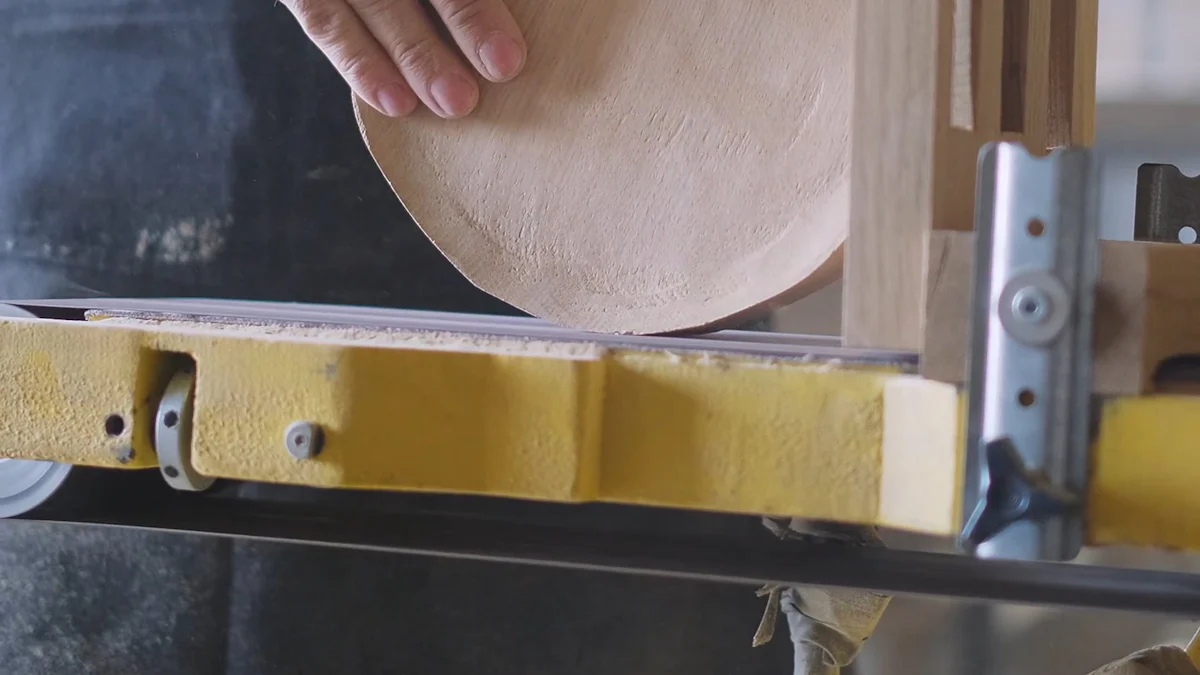
Inadequate surface finishing can lead to several issues, including reduced durability and compromised performance. Products with poor surface quality may fail to meet safety and functionality standards. For instance, rough surfaces can cause excessive friction, leading to wear and tear. Corrosion may also occur if the surface lacks proper protection. Ultimately, poor finishing reduces the lifespan of components and increases maintenance costs, negatively impacting customer satisfaction.
Common Surface Finishing Techniques and Their Applications
Polishing
Applications in achieving smooth, reflective surfaces
Polishing is a mechanical surface finishing process that uses fine abrasive particles to create smooth and reflective surfaces. This technique eliminates imperfections, enhances shine, and improves the overall surface finish of materials. Polished surfaces are essential in industries where aesthetics and precision are critical. For example, automotive manufacturers use polishing to refine paint finishes and trim parts, ensuring a flawless appearance. Polished aluminum trim parts achieve a deep shine and are often cleaned before anodizing. Jewelry makers rely on polishing to remove impurities and enhance the brilliance of delicate pieces. Techniques like rotary polishing and laser polishing ensure precision and consistency in achieving the desired finish.
Common industries using polishing (e.g., jewelry, automotive)
Polishing finds applications in various industries:
- Automotive: Polishing enhances the appearance of vehicle bodies and trim parts. It also removes sanding marks and signs of wear.
- Jewelry: Hand polishing and tumbling refine delicate designs, while burnishing highlights contrasts.
- Electronics: Polished surfaces improve conductivity and ensure smooth assembly.
Deburring
Removing sharp edges and imperfections
Deburring removes sharp edges, burrs, and imperfections left behind during manufacturing. This process ensures a smooth and safe surface finish, reducing the risk of injury during handling. It also improves the alignment of parts, preventing uneven stress distribution that could lead to failure. Deburring enhances performance by reducing friction in moving assemblies and preventing leaks in pressurized components.
Applications in precision manufacturing
Precision manufacturing relies on deburring to meet strict quality standards. Industries like aerospace and medical devices use this technique to ensure components fit seamlessly. For example, deburring ensures surgical tools remain safe and precise, while aerospace parts achieve optimal performance.
Coating
Types of coatings (e.g., paint, powder, anodizing)
Coating involves applying a protective or decorative layer to a surface. Common types include paint, powder coating, and anodizing. Paint improves aesthetics and provides corrosion resistance. Powder coating creates a durable, chemical-resistant layer with excellent color retention. Anodizing enhances corrosion resistance and adds a decorative finish by forming a protective oxide layer on metals.
Enhancing corrosion resistance and durability
Coatings play a vital role in enhancing corrosion resistance and durability. For example, powder coating protects surfaces from environmental damage, while anodizing increases wear resistance. These techniques ensure products maintain their functionality and appearance over time, making them essential in industries like automotive, aerospace, and electronics.
Other Techniques
Sandblasting
Sandblasting is a surface finishing process that uses high-pressure abrasive particles to clean or modify a material’s surface. This technique removes rust, paint, and surface imperfections, leaving a smooth and uniform surface finish. Sandblasting works well on metals like aluminum, brass, and stainless steel. It is commonly used in industries such as construction, automotive, and manufacturing to prepare surfaces for painting or coating.
The process improves the finishing surface by eliminating contaminants and creating a texture that enhances coating adhesion. For example, sandblasting prepares car bodies for painting, ensuring a durable and even finish. It also restores old metal parts by removing corrosion and revealing the original material.
Electroplating
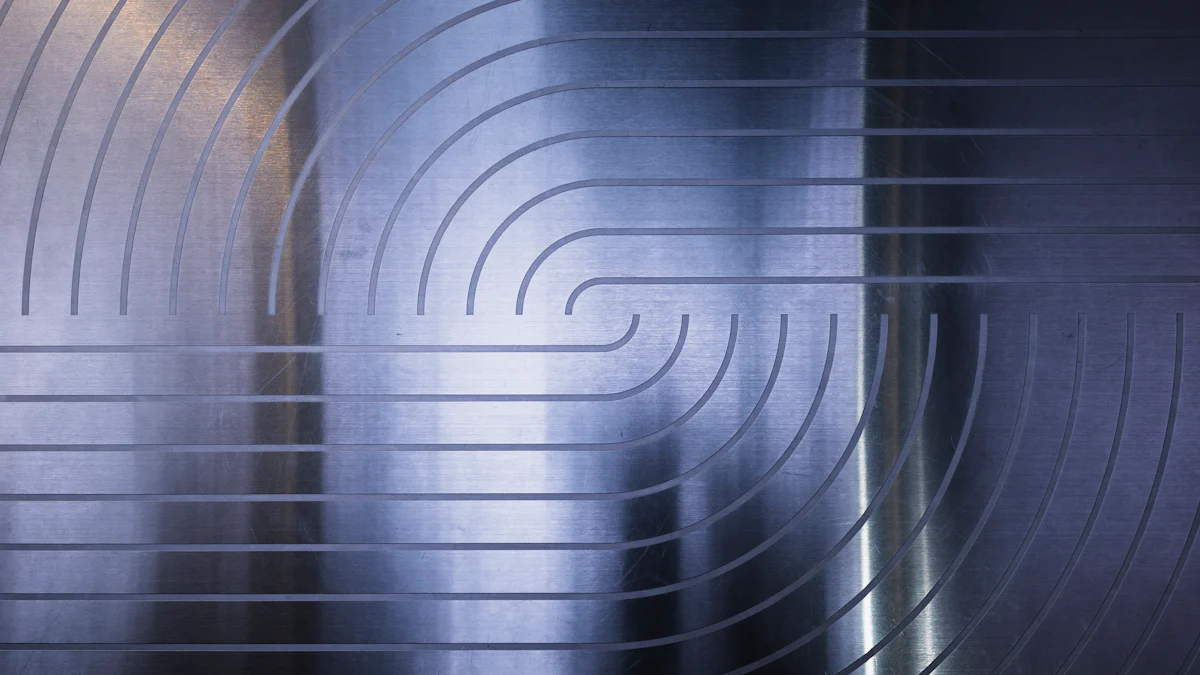
Electroplating involves depositing a thin layer of metal onto a substrate using an electric current. This process enhances the durability, corrosion resistance, and appearance of the material. Metals like zinc, nickel, copper, gold, and silver are commonly used in electroplating.
This technique finds applications in industries such as electronics, jewelry, and automotive. For instance, electroplating improves the conductivity of electronic components and adds a decorative finish to jewelry. It also protects car parts from corrosion, extending their lifespan.
| Feature | Sandblasting | Electroplating |
|---|---|---|
| Process | Involves abrasive machining to remove or alter surface layers. | Uses electricity to deposit metal ions onto a substrate from a solution. |
| Application | Suitable for metals like aluminum, brass, and stainless steel. | Commonly used for metals such as zinc, nickel, copper, gold, and silver. |
| Benefits | Improves surface finish and removes imperfections. | Enhances durability, corrosion resistance, and aesthetics. |
Laser Texturing for Precision Surface Modification
Laser texturing uses high-energy laser beams to modify a material’s surface with precision. This advanced technique creates micro-patterns or textures that enhance the material’s properties. It is widely used in industries requiring high precision, such as aerospace, medical devices, and electronics.
Laser texturing improves the functionality of components by increasing friction, reducing wear, or enhancing bonding capabilities. For example, it creates textured surfaces on medical implants to promote better integration with bone tissue. It also modifies surfaces in electronic devices to improve heat dissipation and performance.
Laser texturing offers unmatched precision, making it ideal for applications where traditional methods fall short.
Measuring and Controlling Surface Finish
Key Parameters for Surface Finish Measurement
Accurate measurement of surface roughness is essential for ensuring product quality and performance. Several parameters are commonly used to quantify surface texture:
- Ra (Roughness Average): This parameter calculates the average deviation of surface irregularities from the mean line. It provides a general measure of surface roughness and is widely used in manufacturing.
- Rz (Maximum Height of the Profile): Rz measures the average of the five largest peak-to-valley heights on a surface. It is particularly useful for identifying anomalies that may affect functionality.
- Ry (Maximum Roughness Depth): Ry represents the vertical distance between the highest peak and the lowest valley on a surface. This parameter is sensitive to extreme irregularities.
Other factors, such as waviness and lay, also influence surface texture. Waviness refers to larger surface deviations caused by vibrations or warping, while lay describes the predominant surface pattern, which impacts lubrication and stress distribution.
Tools and Equipment for Surface Finish Measurement
Manufacturers use advanced surface control techniques to measure and analyze surface roughness. Common tools include:
- Stylus Profilometers: These devices use a physical stylus to trace the surface profile, creating a 2D representation of surface texture.
- Optical Profilometers: Non-contact tools that use light to generate high-resolution 3D maps of surface topography.
- Atomic Force Microscopes (AFMs): These instruments provide nanoscale precision by scanning surfaces with a fine probe.
- Comparison Plates: These visual references allow operators to compare a finishing surface against known standards.
Each tool offers unique advantages, making it possible to measure surface roughness with precision across various applications.
Importance of Consistency in Surface Finish
Consistency in surface finish is critical for maintaining product performance and durability. Irregularities in surface texture can increase wear, friction, and the likelihood of fatigue failure. For example, gaskets and O-rings require precise surface textures to ensure effective sealing and prevent leaks. Advanced surface control techniques help manufacturers achieve uniform finishing, enhancing fatigue life and reducing maintenance costs. Consistency also ensures that products meet industry standards and customer expectations.
Maintaining consistent surface roughness is not just a quality control measure—it is a fundamental requirement for reliable and efficient product performance.
Industry-Specific Applications of Surface Finishing
Aerospace Industry
Ensuring precision and durability in aircraft components
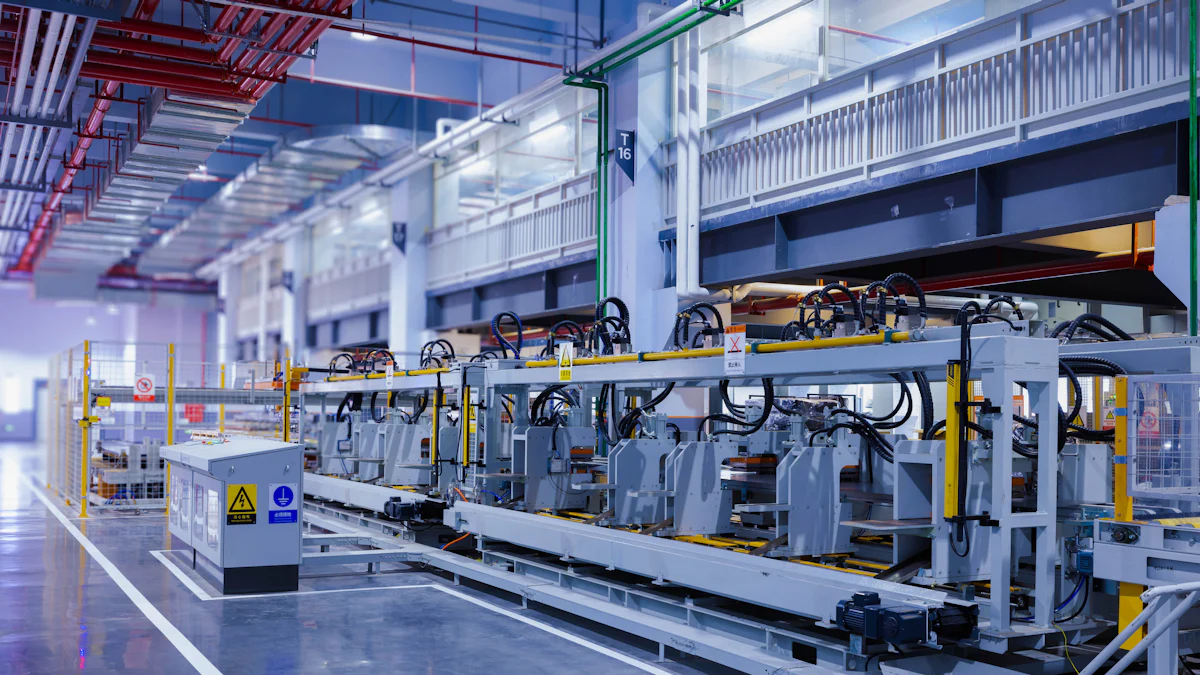
Surface finishing is critical in aerospace manufacturing to meet stringent performance and safety standards. Components like turbine blades, ball bearings, and fuselage panels require precise surface textures to ensure durability and functionality. Surface roughness (Ra) for most aerospace parts is typically set at 8 Ra, while waviness and lay patterns are specified based on machining processes. These parameters enhance durability by reducing wear and corrosion, extending the lifespan of components. Additionally, surface finishing improves paint adhesion, protecting parts from environmental damage and reducing maintenance costs.
Reducing drag and improving aerodynamic performance
A smooth surface finish minimizes drag, optimizing aerodynamic performance. Techniques like abrasive flow machining and chemical etching modify surfaces to reduce friction and improve airflow. Coatings with nanoparticles fill micro-cracks, creating a seamless surface that prevents contaminant adhesion. This reduces skin friction caused by dirt or insects, enhancing fuel efficiency and overall performance. By addressing these factors, surface finishing plays a vital role in achieving superior aerodynamic efficiency in aircraft.
Automotive Industry
Enhancing the appearance and longevity of vehicle parts
Automotive manufacturers rely on surface finishing to improve both aesthetics and durability. Techniques like painting, electroplating, and powder coating provide corrosion resistance and enhance visual appeal. For example, electroplating deposits metal ions onto parts, creating a durable and attractive finish. Sanding and polishing refine surfaces, ensuring a flawless appearance. These processes not only protect vehicle components from wear but also contribute to their longevity, meeting consumer expectations for quality and reliability.
Improving fuel efficiency through smoother surfaces
Surface finishing directly impacts fuel efficiency by reducing friction in moving parts. Studies show that isotropic superfinished axles outperform precision-ground axles, achieving higher efficiency and lower torque. Transitioning to plateaued surfaces in diesel fuel injectors has eliminated warranty issues, improving performance under high-pressure loads. These advancements demonstrate how smoother surfaces reduce wear and enhance lubrication, leading to better fuel economy and reduced emissions.
Medical Devices
Ensuring biocompatibility and sterility
Surface finishing ensures that medical devices meet biocompatibility standards, reducing contamination risks and enhancing patient safety. Techniques like electropolishing and passivation remove impurities and improve corrosion resistance. Titanium anodizing enhances the wear resistance of implantable medical devices, while electroless nickel plating provides a durable surface for brass components. These processes prevent pathogen spread, minimize implant rejection, and extend device lifespan. Compliance with ISO Standard 10993 ensures that surgical implant applications remain safe and effective for human use.
Achieving precision for surgical tools and implants
Precision is essential for surgical tools and implants to function effectively. A high-quality surface finish enhances durability and biocompatibility while reducing contamination risks. Smooth surfaces allow for easier cleaning and sterilization, ensuring patient safety. For example, implants with textured surfaces promote better integration with bone tissue, improving their functionality. The aesthetic quality of implants also reflects cleanliness and precision, reinforcing trust in their performance.
Electronics and Technology
Improving conductivity and performance of components
Surface finishing plays a crucial role in enhancing the conductivity of electronic components. A smoother surface reduces contact resistance, which improves electrical conduction. This ensures that energy losses are minimized, leading to better performance in electronic systems. For instance, polished connectors and terminals allow for efficient current flow, which is essential in high-performance devices.
Surface finishing processes, such as electroplating, are widely used to improve conductivity. These techniques deposit a thin layer of conductive material, like gold or silver, onto the surface of components. This layer enhances electrical conduction and ensures reliable performance in sensitive applications.
Key benefits of surface finishing for conductivity include:
- Improves conductivity.
- Enhances surface electrical conduction.
In industries like medical devices and consumer electronics, achieving optimal conductivity is vital. Devices with superior electrical performance operate more efficiently and meet the high standards required in these fields.
Protecting sensitive parts from corrosion and wear
Sensitive electronic components require protection from environmental factors like moisture, oxidation, and mechanical wear. Surface finishing techniques provide this protection by creating durable and resistant layers. For example, anodizing forms a protective oxide layer that resists corrosion and wear. This method is particularly effective for aluminum parts used in electronic housings.
Electroless nickel plating offers uniform coverage, even on complex geometries, shielding components from wear and corrosion. Chemical conversion coatings, such as Alodine, provide corrosion resistance while maintaining electrical conductivity. These coatings are commonly applied to avionics components, ensuring long-term reliability.
Other advanced methods, like ceramic coatings, enhance wear resistance and reduce friction. These coatings are ideal for high-stress parts, such as those in power electronics or engine systems. By employing these techniques, manufacturers can extend the lifespan of electronic components and maintain their functionality in demanding environments.
Surface finishing not only protects sensitive parts but also ensures their performance remains consistent over time.
Surface finishing remains a cornerstone of modern manufacturing, ensuring products meet rigorous standards of quality and functionality. It enhances durability, improves aesthetic appeal, and optimizes performance across industries. For example, medical devices benefit from biocompatible coatings that ensure sterility and precision. Surface finish also influences durability, corrosion resistance, and operational efficiency in sectors like automotive and aerospace. Manufacturers who adopt advanced finishing techniques gain a competitive edge by delivering superior products that excel in both appearance and performance.
A well-executed surface finish not only protects components but also elevates their value in demanding applications.
FAQ
What is the difference between surface finishing and surface treatment?
Surface finishing modifies the texture or appearance of a material’s surface, often improving aesthetics or functionality. Surface treatment, on the other hand, alters the material’s properties, such as hardness or corrosion resistance, through chemical or physical processes like heat treatment or anodizing.
How do manufacturers choose the right surface finishing technique?
Manufacturers consider factors like material type, application, and desired properties. For example, polishing suits decorative items, while coatings enhance corrosion resistance. Industry standards and customer requirements also influence the choice of technique.
Can surface finishing improve energy efficiency?
Yes, smoother surfaces reduce friction and drag, improving energy efficiency. For instance, polished engine components enhance fuel economy, while aerodynamic finishes on aircraft reduce air resistance, saving energy during operation.
Is surface finishing environmentally friendly?
Some techniques, like powder coating, are eco-friendly due to minimal waste and the absence of harmful solvents. However, processes like electroplating may involve hazardous chemicals. Manufacturers increasingly adopt sustainable methods to reduce environmental impact.
Why is surface finish consistency important?
Consistency ensures reliable performance and durability. Irregular finishes can cause wear, leaks, or poor fitment. For example, medical implants require uniform surfaces for biocompatibility, while automotive parts need consistent finishes for optimal sealing and longevity.